Comparisons
Best AI Coding Tools
From IDE copilots to prompt-to-app builders, the best AI coding tool depends on your workflow. Here's an honest comparison of the leading options — and where each one shines.
By Orbit by Forion · Published 2026-08-06
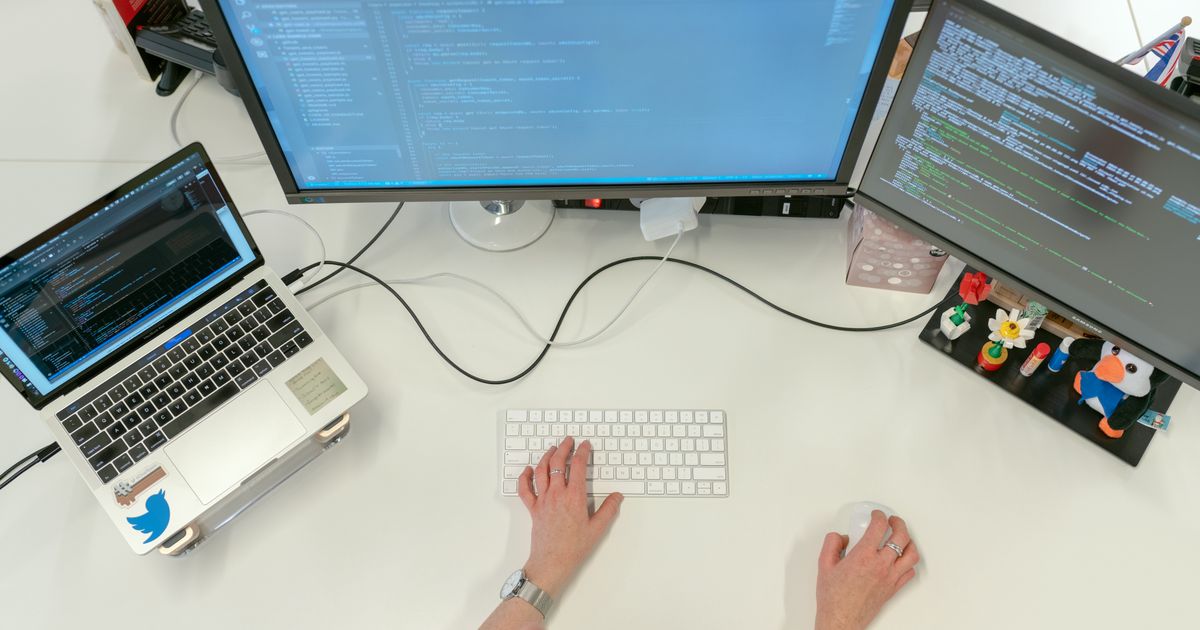
The best AI coding tool depends entirely on what you're doing: editing a large existing codebase, or generating a working app from a prompt. IDE copilots and prompt-to-app builders solve different problems, and the right choice is a category fit, not a ranking.
In plain English
Think of it like hiring for a project. A copilot edits what you already wrote — great if you have a codebase and know your way around it. A prompt-to-app builder hands you a finished first draft from a description — great if you want the app, not the keystrokes. Neither is "better"; they're different jobs.
And for what it's worth: no tool wins for everyone, and anyone who says otherwise is probably trying to sell you something.
Best for developers editing existing code
- Cursor — best for developers who live in an IDE and want AI that understands their codebase, with agentic multi-file edits.
- GitHub Copilot — best for in-editor autocomplete and inline suggestions with zero workflow change, deeply tied to GitHub.
- Windsurf — best for developers who want agentic IDE assistance with a different balance of automation and control.
- Claude Code — best for terminal-first developers who want a capable agent working directly in a CLI against a real repository.
These tools assume you already have a codebase and strong coding skills. They accelerate the writing, not the architecture.
Best for turning prompts into apps
- Lovable — best for non-developers who want to describe a product and get a hosted app quickly, with strong marketing around prompt-to-app speed.
- Bolt — best for rapid full-stack prototyping in the browser with built-in preview and deployment.
- v0 — best for frontend-heavy work, particularly generating polished React and Tailwind UI components from a prompt.
- Replit — best for a browser-based coding environment with an agent that can build and deploy in one place.
- Firebase Studio — best for teams already on Google Cloud who want AI-generated apps wired to Firebase backend services.
The trade-off across these tools is depth versus control. Prompt-to-app tools are fast, but they vary in how much of the generated code you can see, edit, and export.
Best when you want everything in one workspace
- Orbit — best for people who want to chat, build, research, and generate media in one place with shared project memory.
Orbit's build path generates a real project on Vite + React + TypeScript + Tailwind inside a 1-hour cloud sandbox, typechecks it, runs a production gate, and hands you a live preview. For backend needs it provisions schema-isolated Supabase — each app gets its own Postgres schema, so multi-tenant apps don't collide.
It also enforces honest guardrails: up to 220 tool calls per build, up to 25 tool calls per chat turn, and a 10-minute timeout per turn. Those limits mean a stuck loop stops burning your credits instead of running forever.
How to choose
Ask three questions before picking a tool:
- Do I have an existing codebase? If yes, an IDE copilot is probably the right fit.
- Do I want a full app or just components? Full app → a prompt-to-app builder; components and UI → v0-style tools.
- Do I want real verification? A tool that typechecks, runs code in a sandbox, and shows you a live preview is more trustworthy than one that just prints code.
The honest caveat
Every tool in this list has strengths and sharp edges. Cursor's strength is deep codebase understanding, but it assumes you can read code. Bolt and Lovable are fast, but complex backends can exceed their comfort zones. Orbit's edge is the unified workspace — research, builds, and media in one context — but it's the right choice only if you want that breadth.
Try the one that matches your workflow, and don't believe anyone who claims a single tool wins for everyone.
Try it and compare
Run a weekend test with a real app idea: a sign-up page, a database, a small dashboard. Build it with your current tool, then build the same thing on Orbit. Compare the "fix that please" messages each one needs, whether the preview is real or a screenshot, and how much you still understand of the code you end up with.
FAQ
Q: What is the best AI coding tool? A: There is no single winner — the best tool depends on your workflow. IDE copilots like Cursor and Copilot suit developers editing existing code, while prompt-to-app builders like Orbit and Lovable suit people who want a working app from a description.
Q: Are AI app builders better than AI code editors? A: They solve different problems. App builders scaffold a full project from a prompt and give you a preview; code editors assist you as you type in your existing codebase. Many people use both.
Q: Do AI coding tools replace developers? A: No. They accelerate writing and fixing code, but you still need to review, test, and ship. Good tools verify their work with typechecks and sandboxes so your review can focus on design.
Q: What should I look for in an AI coding tool? A: Real verification (typechecking, sandbox execution), live previews, honest guardrails like tool ceilings and timeouts, and the ability to iterate on an existing project instead of regenerating from scratch.
Build it on Orbit
Orbit builds real Vite + React + TypeScript + Tailwind apps with schema-isolated Supabase, live previews, and honest guardrails. Start building on Orbit.
Frequently asked questions
What is the best AI coding tool?
There is no single winner — the best tool depends on your workflow. IDE copilots like Cursor and Copilot suit developers editing existing code, while prompt-to-app builders like Orbit and Lovable suit people who want a working app from a description.
Are AI app builders better than AI code editors?
They solve different problems. App builders scaffold a full project from a prompt and give you a preview; code editors assist you as you type in your existing codebase. Many people use both.
Do AI coding tools replace developers?
No. They accelerate writing and fixing code, but you still need to review, test, and ship. Good tools verify their work with typechecks and sandboxes so your review can focus on design.
What should I look for in an AI coding tool?
Real verification (typechecking, sandbox execution), live previews, honest guardrails like tool ceilings and timeouts, and the ability to iterate on an existing project instead of regenerating from scratch.